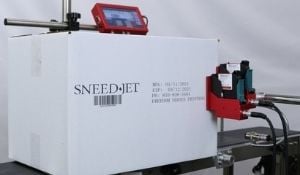
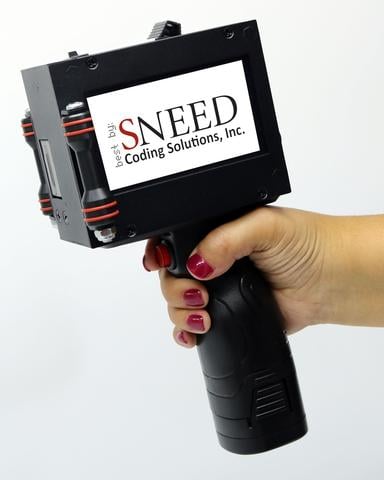
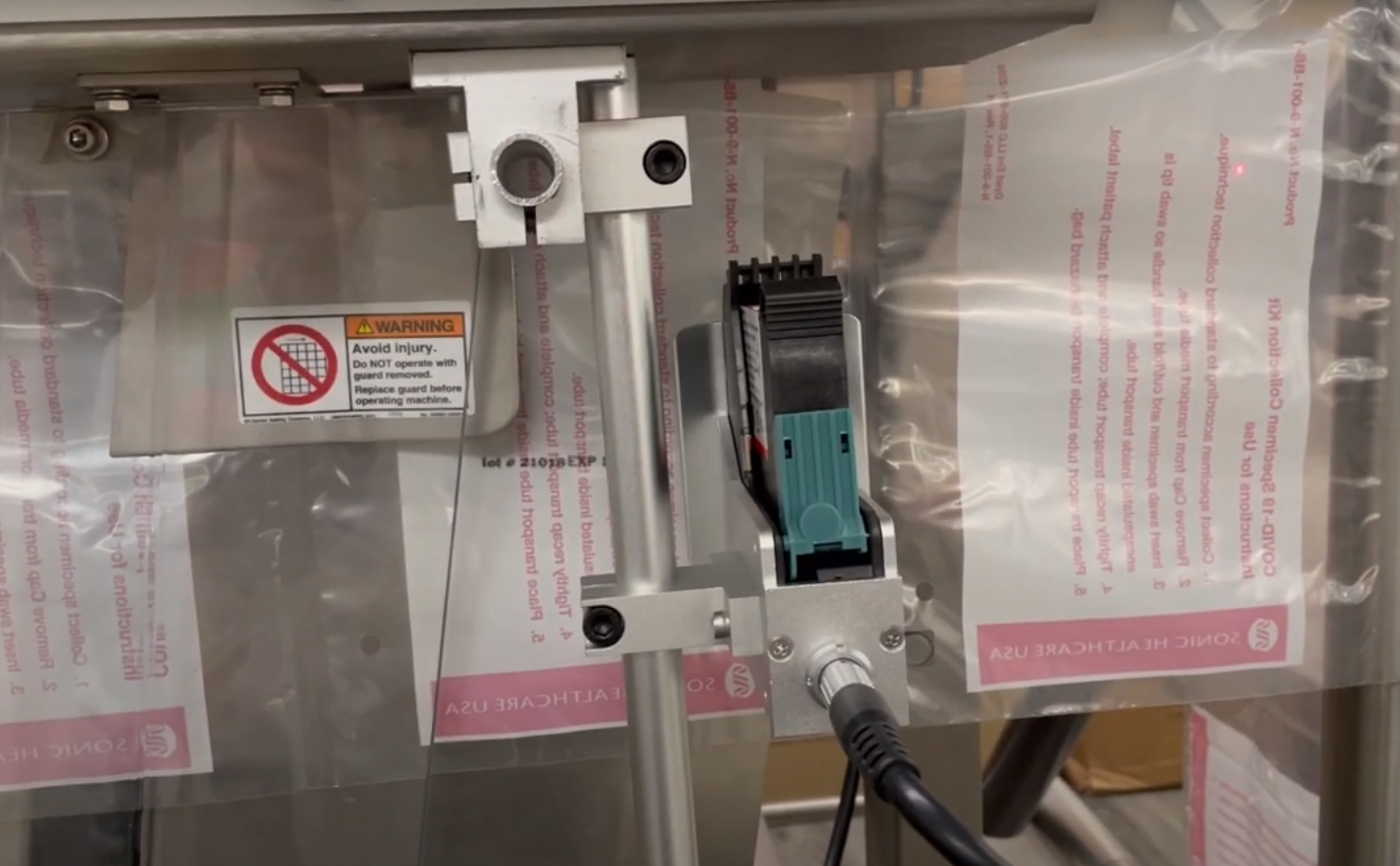
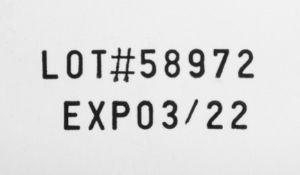
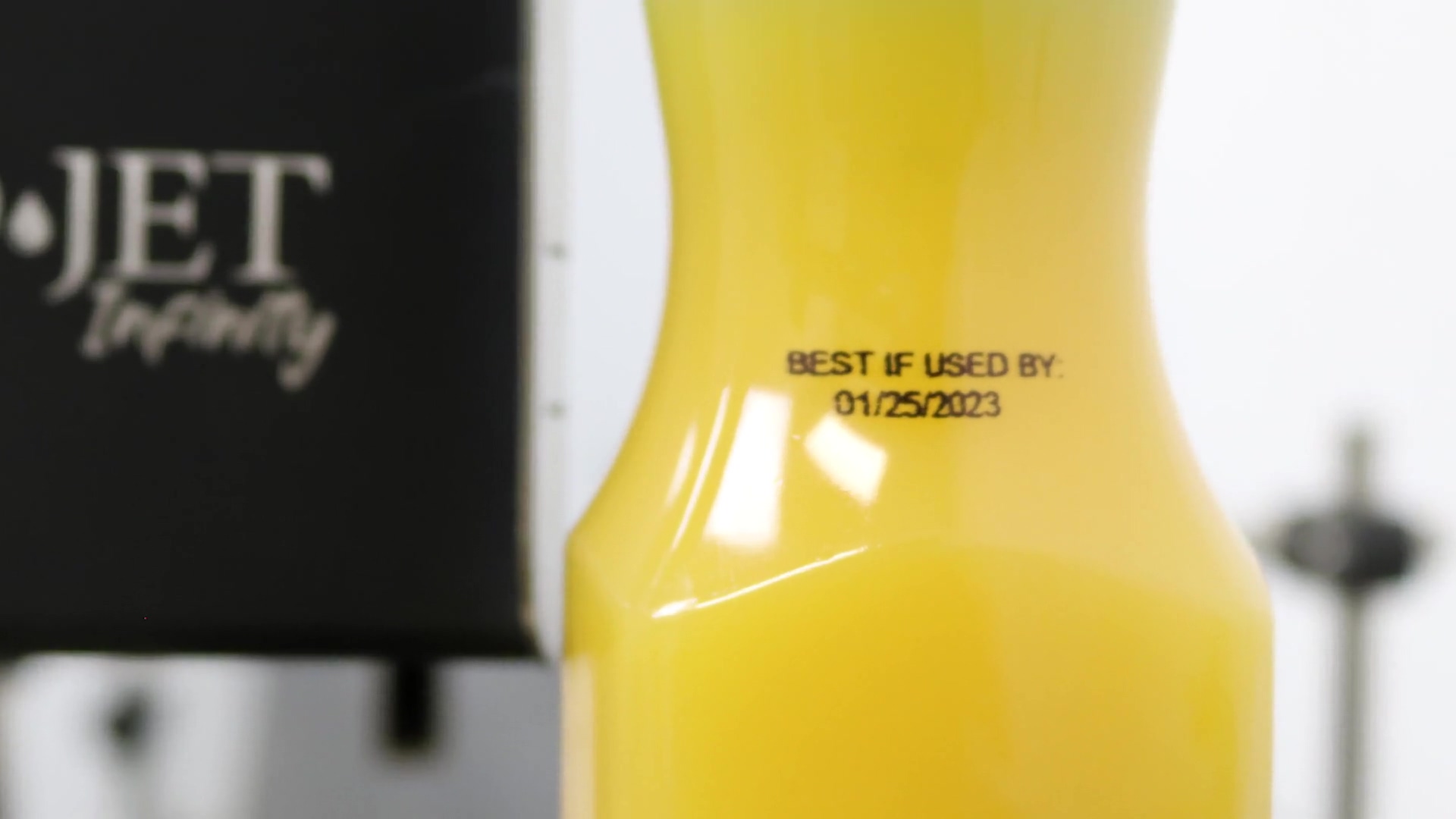
If you have a large number of product items that require barcodes, lot numbers, graphicss, or other printed information, you could benefit from an inkjet conveyor printer. These handy machines are set in one location on a warehouse or factory floor. From that station, workers slide product units onto the conveyor and watch it print the desired information, one after another. Read along to learn more about what are inkjet conveyor printers used for.
Read More
Topics:
Coding & Marking,
Inkjet Coding,
coding and marking,
conveyor coding
Business owners should learn what all great supply chains have in common so they can emulate their behaviors in their own processes. Only by learning from the best can we ever hope to become our best.
Read More
Topics:
Handheld printer,
Portable Handheld Inkjet Printer
When you live in a world like ours—one where people expect the goods made on one continent to end up on another by the end of the day—it becomes more and more necessary to track every product as it passes down the supply chain pipeline.
Read More
Topics:
Handheld printer,
Handheld inkjet,
Handheld coder,
Portable coder,
Portable printer,
portable part marker,
handheld part marker,
Portable Handheld Inkjet Printer
Business owners armed with a full grasp on how to choose lot coding equipment will avoid many of the pitfalls and mistakes people make when they enter into the process with only a basic understanding. By reviewing the information in this article and doing more research, you’ll quickly pick up the language and way of thinking needed to choose lot coding equipment.
Read More
Topics:
Coding & Marking,
Inkjet Coding,
lot coding,
coding and marking,
package coding,
Lot code
When you are building the many processes that maintain your supply chain, it is important to learn the things to consider when lot coding products. Lot coding is the system by which companies assign numbers to different product batches so they can trace their goods in the event of a recall.
Read More
Topics:
Inkjet Coding,
lot coding,
coding and marking,
thermal inkjet coding,
Lot code
Every business venture is different, so finding the best packaging option for your needs is necessary. Whether you are starting this new venture or are looking for ways to improve your company, you should look into your packaging department. Doing so will allow you to see if the system you have is working or what avenue you want to go down regarding packaging. For a look at the difference between contract packaging and in-house packaging, continue reading. All the information you could want on this topic is right here!
Read More
Topics:
Inkjet Coding,
Thermal inkjet,
Case Coding,
Box Coding,
thermal inkjet coding,
package coding,
Packaging
Don’t let a product recall hurt your business’s reputation and bottom line. Instead, be active in your production processes and transportation procedures to avoid product recalls at all costs. While you can’t get rid of product recalls altogether because, unfortunately, issues do occur, you can do your best to avoid them as much as possible. For an insightful look at the different methods to reduce product recalls for your business, continue reading. With the right preparations, can be proactive in keeping product recalls at bay.
Read More
Topics:
Consumer Protection,
Food Recall,
Quality Assurance,
Date coding,
Box Coder,
Box Coding,
Product Recall
It’s hard to believe there was a time before the United States could regulate the safety of its food and drugs. The history of the Food and Drug Administration feels like the story of a country coming to its senses. When the FDA was first developed, it was a revolutionary, creative leap forward for a nation that desperately needed a way to cut through a market full of hucksters.
Read More
Topics:
Consumer Protection,
Food Recall,
Quality Assurance,
coding and marking,
Product Recall
It would be wrong to definitively say one technology is an improvement on the other, but there are advantages of inkjet printers over laser printers. Many of these advantages derive from inkjet’s longevity. Simply put, this technology has been available for a long while. It has gone through enough changes and tweaks so that the versions we now have are efficient and comparatively inexpensive.
Read More
Topics:
Thermal inkjet,
thermal inkjet coding
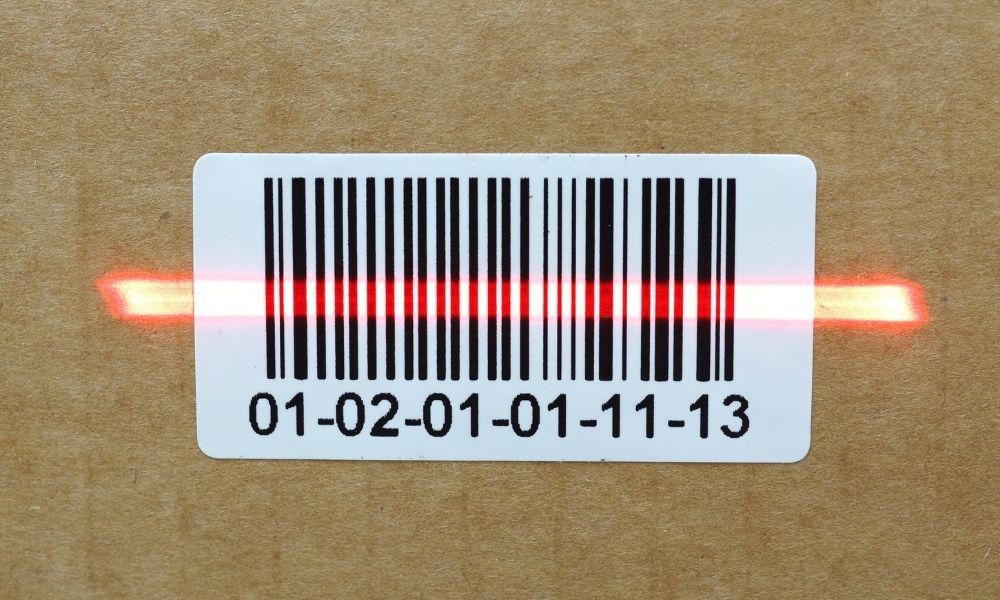
Like so many other helpful devices, it’s very easy to use barcode scanners—but not so simple to understand how they operate. First conceived in 1948 by inventors Bernard Silver and N. Joseph Woodland, the barcode didn’t catch on until the 1970s when supermarket executive Alan Haberman adopted the idea from the then-patent holder IBM.
Read More
Topics:
Barcode,
Barcode Printer,
Barcode Printing